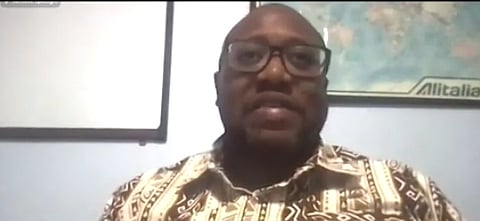


Dr. Emmanuel Kojo Asante, Director of Advocacy at the Ghana Center for Democratic Development (CDD-Ghana), has thrown his support to the calls for the government to reduce spending by lowering the number of its ministers and appointees.
The government is in severe need of financial relief, according to Dr. Asante, and the existing number of ministries with 86 ministers and deputy ministers is a significant drain on the public purse.
He said that merely reducing the number of ministers and deputies will solve much of the government's financial problems.
Speaking on The Point of View on Citi TV in response to CDD-recommendations Ghana's for shrinking the size and cost of running the government, Dr. Asante acknowledged that while some ministries are regarded as important and relevant, the country's current economic conditions necessitate some trimming in order to save the government money.
“In terms of our practice, some ministries have become sort of important and relevant and if you are going to do any rationalization then you have to think more deeply about how you merge them so that they don’t lose their essence.”
He added that the government might manage and carry out certain programs through a broader ministry rather than having to form specific ministries with appointed ministers.
“This idea that having a ministry and a minister is what is going to deliver the agenda for you has proven to be wrong. A ministry was not created to manage Free SHS for example, but the policy is being run and being funded, so I don’t buy the idea of creating more ministries.
“We have had so many examples that these things don’t work. It is also at a huge cost to the taxpayer because we waste money because every time you set up a ministry, you will need to have departments and directors and that is problematic because they come at a cost.”
The CDD’s proposals estimate that a cut in the size of ministries will “reduce the amount paid to ministers in salaries by GH¢8,528,316.00 annually, a figure that is 33.73% of the total amount paid in salaries to ministers, assuming the figures from the recommendations contained in the report on Emoluments for Article 71 office holders by the Prof. Yaa Ntiamoah-Baidu Committee.”
The proposals also recommended, “for the dissolution of the Ministry of Public Enterprises, Ministry of Parliamentary Affairs and the Ministry of Railways as their functions are integrated in the functions of other ministries.”
