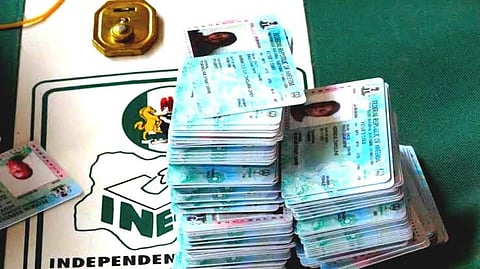


The Independent National Electoral Commission (INEC) has proposed a significant change in voting procedures ahead of upcoming elections, recommending the use of computer-generated voting slips for individuals lacking Permanent Voter Cards (PVCs).
This announcement was made by INEC Chairman, Prof. Mahmood Yakubu, during a quarterly consultative meeting with Resident Electoral Commissioners (RECs) in Abuja on Thursday.
Yakubu emphasized that the reliance on PVCs should be reconsidered, particularly with the implementation of the Bimodal Voter Accreditation System (BVAS). He noted that this shift aims to streamline the voting process and enhance accessibility for voters.
The INEC has recently released a comprehensive 524-page report analyzing the 2023 general elections, which included consultations with various stakeholders.
From these consultations, INEC identified 142 recommendations addressing various aspects of electoral processes, including voter management, education, and security. Of these, 86 require administrative action by INEC itself, while 48 involve collaboration with external stakeholders, such as security agencies and civil society organizations.
Additionally, there are eight recommendations that necessitate legislative action from the National Assembly.
Among the key points highlighted in the report is the need for legal clarity regarding result management, particularly concerning the methods of result transmission.
Yakubu stated that while those with PVCs can continue to use them for voting, moving forward, computer-generated slips—either issued directly to voters or downloaded from INEC's website—will be acceptable for voter accreditation. This change is expected to reduce costs and mitigate issues related to PVC distribution and potential voter disenfranchisement.
Furthermore, the report advocates for early voting provisions for essential workers such as INEC officials and journalists who may be deployed away from their registered voting locations.
It also supports initiatives for diaspora voting and suggests establishing an electoral offences tribunal to enhance regulatory oversight of political parties.
