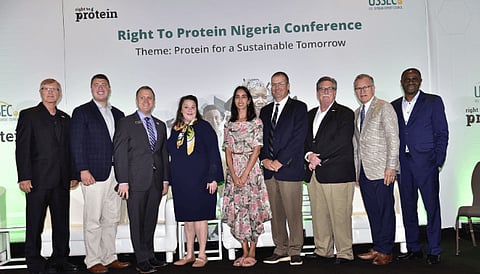

Nigerian nutrition experts are emphasizing the crucial role of consuming protein-rich foods for the country's future productivity and sustainability. The importance of adequate protein intake was highlighted during the Right To Protein Nigeria Conference held in Lagos on Thursday, June 22, 2023.
The experts emphasized that protein consumption offers numerous health benefits and significantly contributes to economic development by promoting sustainable farming practices. They also stressed the significance of supporting small-scale farmers, as this can enhance productivity, generate income, and ultimately lead to improved lives, livelihoods, and poverty reduction.
The conference was organized as part of the Right To Protein initiative, which is spearheaded by the U.S. Soybean Export Council (USSEC). This public health initiative aims to raise awareness about the importance of protein in the diet and advocates for every individual's right to access sufficient, affordable, and high-quality protein for better nutrition, health, and overall well-being.
During the event's opening address, Kevin Roepke, the regional director for South Asia and Sub-Saharan Africa (SAASSA) at USSEC, emphasized the theme of "Protein for a Sustainable Tomorrow and Nutrition Security." He drew attention to The State of Food Security and Nutrition in the World (SOFI) reports' findings, which underscored the humbling reality of the global progress towards achieving the Sustainable Development Goals by 2030, particularly the goal of 'Zero Hunger.'
Roepke highlighted the urgency of the situation, stating that the latest report dispelled any doubts that the world is regressing in its efforts to end hunger, food insecurity, and malnutrition. He questioned where we currently stand and what measures can be taken to build a better future and stay on track to achieve the ambitious goal of Zero Hunger.
Roepke emphasized that food systems, when strengthened to withstand major challenges such as conflict, climate variability, and economic downturns, can provide affordable and sustainable diets that are inclusive for all. By harnessing the potential of food systems, they can become a powerful driving force towards eradicating hunger, food insecurity, and malnutrition in all forms.
Highlighting the ever-increasing global population, Roepke acknowledged that proteins have always been an essential part of human diets. As the demand for protein continues to rise exponentially, it becomes increasingly crucial to prioritize adequate protein consumption to meet nutritional needs and secure a prosperous future for Nigeria.
