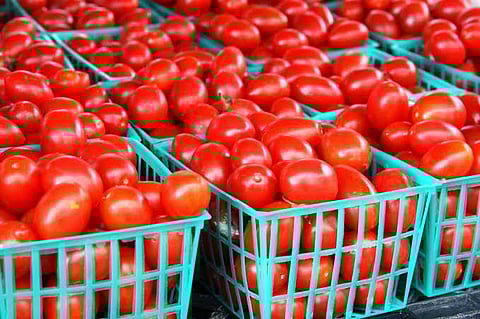

Experts highlight that Nigeria's tomato production faces significant post-harvest losses, accounting for about 60 percent of the total yield. These losses result from inadequate storage facilities and a lack of cold chain infrastructures across the country. However, experts believe that addressing these challenges presents lucrative investment opportunities for potential investors.
One of the proposed solutions is the adoption of bamboo and thick tree-based greenhouse technology, which offers a more sustainable alternative to the traditional aluminum panels. The hot climate in the northern regions of Nigeria causes aluminum panels to absorb excessive heat, leading to tomato spoilage. In contrast, countries like the Dominican Republic and Jamaica, which employ bamboo and stick-based greenhouses, cultivate vegetables all year round, suggesting its potential success in Nigeria.
Investors can also explore manufacturing plastic crates for transporting fresh produce to markets and investing in small modular processing machines to crush fresh tomatoes and peppers into pastes within farming clusters. These advancements would not only help reduce post-harvest losses but also boost the efficiency and productivity of the tomato value chain.
Despite being the 13th largest producer of tomatoes globally and the second in Africa after Egypt, Nigeria struggles to meet local demand due to significant post-harvest losses. The country produces approximately 1.5 million metric tonnes of tomatoes annually, with a staggering 0.7 million metric tonnes being lost after harvest. The annual demand for tomatoes is estimated at 2.2 million metric tonnes, leaving a gap of 1.4 million metric tonnes.
Data from the Food and Agriculture Organization reveal that Nigeria's average tomato yield per hectare is much lower than that of Kenya, South Africa, Ethiopia, and Egypt. This emphasizes the urgent need to address post-harvest losses to ensure the commercial availability of tomatoes in the country.
The recent surge in the prices of fresh tomatoes in Nigeria can be attributed to the recurrence of the "Tomato Ebola" pest infestation and the ongoing rainy season. Tomato prices typically experience a peak season between September and February when prices are lower and an off-season period between April and July when prices spike.
The rising logistics costs of transporting food items from the northern to the southern regions have further contributed to the tomato price surge. Local farmers in the South-West face challenges due to high costs and difficulties in acquiring high-quality seeds. Government interventions, such as subsidizing seeds or providing support to farmers, could help address these issues.
In conclusion, addressing Nigeria's tomato post-harvest losses presents an excellent investment opportunity for investors willing to explore innovative solutions such as bamboo-based greenhouse technology and improved storage facilities. By reducing these losses, Nigeria can boost its tomato production, meet local demand, and enhance food security while creating a more sustainable and thriving tomato industry in the country.
